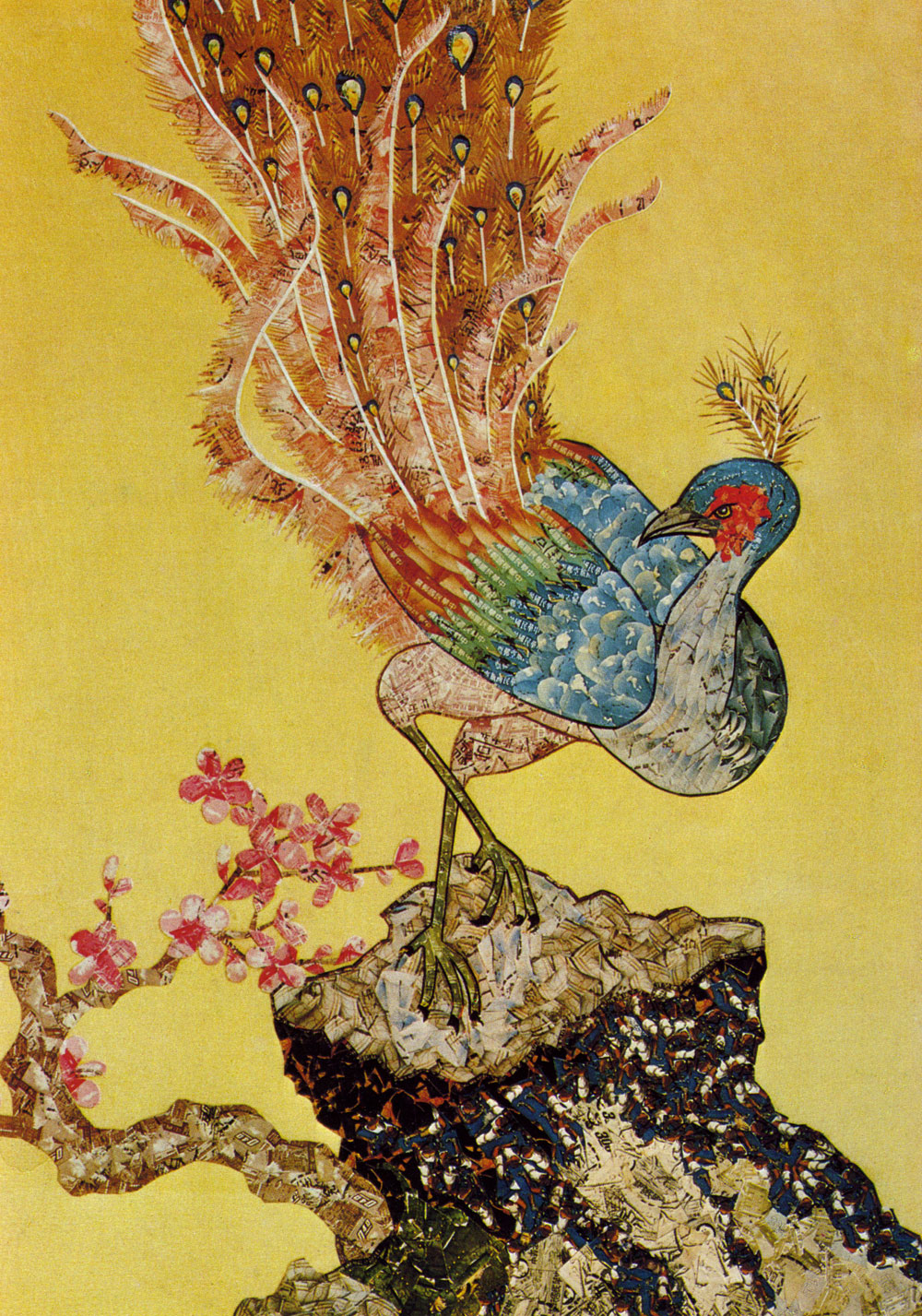
Quote: “Several years ago, at a sumptuous Chinese dinner in Geneva, my hosts asked whether I would do them a favor, or, rather, a favor for their cook, who had prepared the banquet. I intended driving through the Alps later that night, to arrive at dawn on the French Riviera for celebrations honoring the ninetieth birthday of Pablo Picasso; who would surely remain behind his locked gate working, as on any other day. He once had sighed, “If people could only give me their wasted hours! Instead, they bring me things.” So, when my friends explained that their cook wanted me to take a gift to Picasso “from an admirer who never met him,” I tactfully declined. My friends actfully persisted. ‘This one is different! It’s a good-luck picture, the Chinese god of Happiness and Long Life—made from tiny fragments of postage stamps.” Next morning I arrived on the Riviera as the gift-bearing envoy of Hsueh Shao-Tang . . . master artist and master chef.” –David Douglas Duncan.

Hsueh Shao-Tang, Stamp Connector.




Mincing Our Oaths
Thoughts on being a potty-mouthed atheist in a world of Religious profanity.
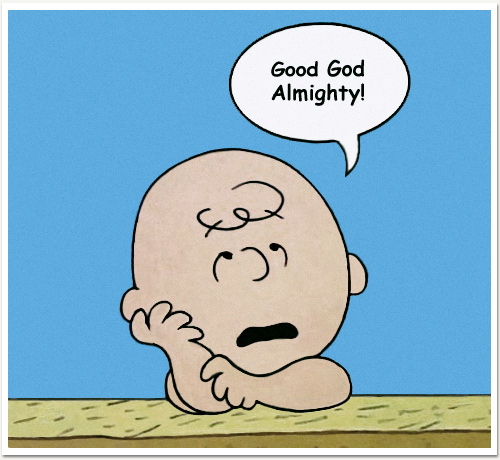
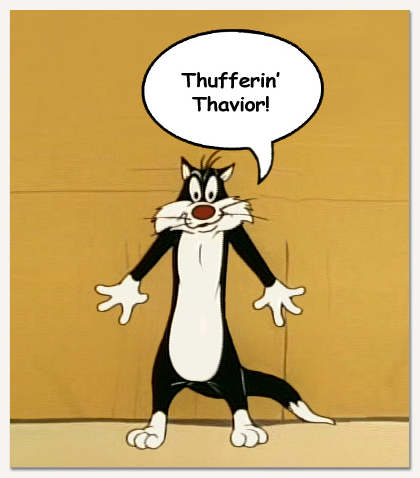
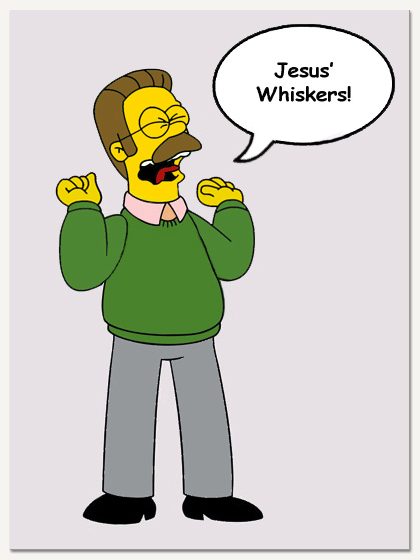
As a bona-fide ⊕ atheist I find myself curiously conscious about the oaths I speak. Every time, in a moment of anger, I inadvertently begin barking “Jesus!” or “Christ!” or “God Damn it!” I feel slightly embarrassed afterward, as if my thoughtless reliance on these oaths, and others like them, were a betrayal of my own ideals. ⊕ It is almost as though the involuntary use of these words, signifiers of Ideas I reject, reveals some sort of personal weakness. ⊕ What it reveals, however, is the simplest of dumb-dumb facts. Namely that the English language is so brim-full of Religious oaths, that to remove them from one’s vocabulary would effectively render you, in your anger, red-faced and vein-popped but mute.




Are you familiar with the Federal Writer’s Folklore and Life Histories project? It was a subsection of the larger FWP (itself a New Deal arts program) undertaken to support writers during the great depression. The Folklore Project, in particular, has fascinated me for years because at bottom it is simply a collection of the musings of ordinary people walking the 1930’s streets; and largely anonymous ordinary people at that. For example, the typewritten text above is all we are given by way of biographical information on the man who dictated a piece I came across today, and wanted to share. See below for I’m a Might-Have-Been, recorded in New York circa 1938.

Abracadabra!
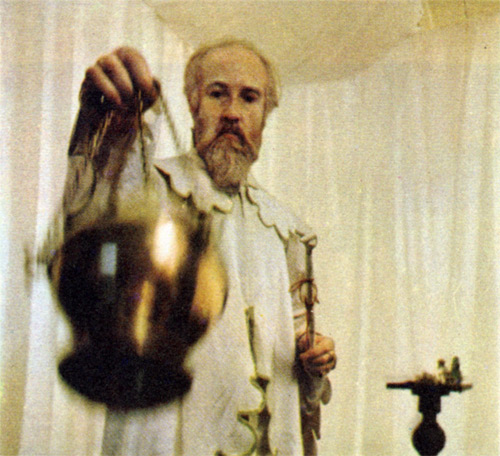
Can you begin to imagine the amount of time spent by the human race in pursuit of magic? I am not speaking metaphorically here. I mean can you imagine the sum total man-hours devoted to actively invoking, incanting, intoning, beseeching, divining, scrying, summoning, chanting, conjuring, and casting? And though, so far as we know, not a single minute of all that feverish sorcery yielded the intentional result with greater efficiency than chance, magic continues, and will continue, probably forever. And do you know why? Well, setting aside the fact that the whole endeavor is damn poetic specifically because of its futility, fascinating because of its baroquely fanciful trappings, pathos-packed because of its provenance, and let’s face it, pretty hilarious on the whole, there is another, simpler reason; one which I believe will be self-evident if you take a gander at what I’ve set out for you below…



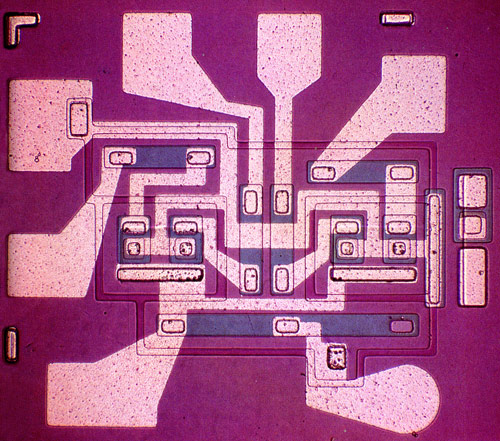
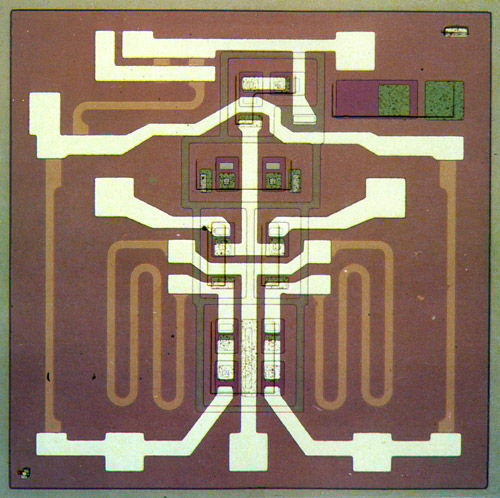
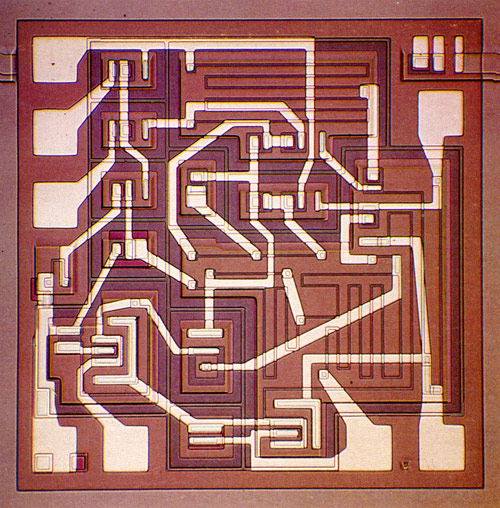
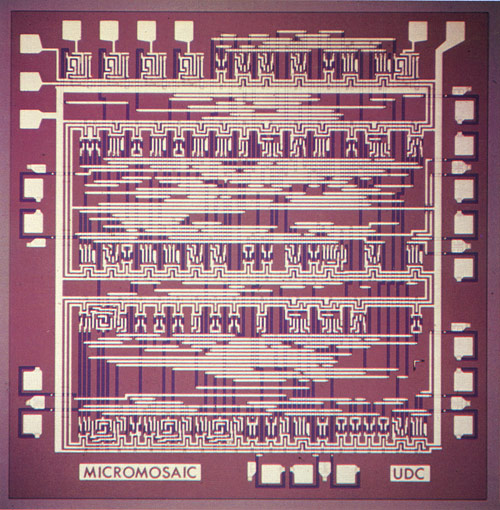
Objectified Circuitry
There is something terrifically satisfying about seeing, with your own eyes, the humble genesis of world-changing creations. The image above is a case in point. What we see pictured here, as I’m sure many of you already know, is the world’s first integrated circuit, created by Jack S. Kilby in the summer of 1958. That this creation, with its bubbled wax and carefully twined wire, is the work of human hands is unmistakable. The seemingly messy, cobbled-together, simplicity of it is heartening somehow when one compares it to the microchips of present day, which a human hand is not meant to touch and could only hope to damage with its meaty, imprecise groping. This is a technology which though reality-shaping has, in large part, been complexified right out of direct human contact.