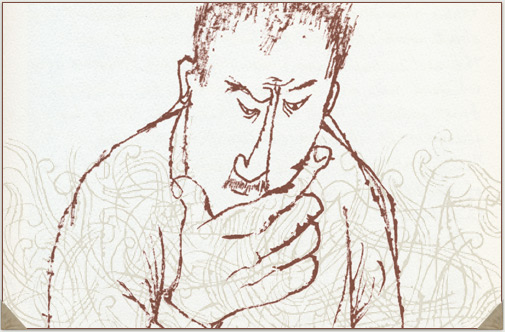
Ben Shahn is best known, perhaps, as one of the FSA photographers (along with Walker Evans and Dorothea Lange) who travelled the American south in the 1930’s documenting the adverse effects of the Great Depression, the Dust Bowl, and increasing farm mechanization. (He also served as an assistant to Diego Rivera while Rivera executed the infamous Rockefeller Center mural.) Shahn, however, had come to photography as a means of doing studies for his paintings, and after World War II he put down the camera almost completely. He began, and ended, as a printmaker and painter. He was once considered one of the preeminent “realist” painters but by the time Abstract Expressionism came into vogue he’d been written off by the gatekeepers of High Art. In 1947 Clement Greenberg, the high priest himself, said, “Shahn’s art is not important and is essentially beside the point as far as ambitious present-day painting is concerned.” Art history has, in large, stuck to this view, which is a shame. Anyone quoted as saying, “I believe that if it were left to artists to choose their own labels, most would choose none” is alright in my book, for obvious reasons.
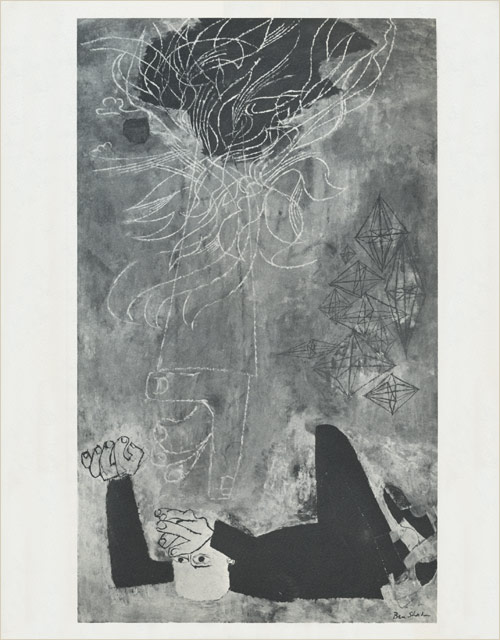
In any case I recently picked up a truly beautiful book put out in 1966 called The Biography of a Painting. The text is originally from one of six C.E. Norton lectures Shahn gave at Harvard (the most famous being The Shape of Content, which is still in print). In this particular volume Shahn attempts to trace the internal and external forces which shaped his painting titled, Allegory. It might, on the surface, seem an odd thing to devote an entire book to exploring the inspiration for a single painting. Non-artists would no doubt assume that the ideas and circumstances of a painting’s creation are right there on the tip of an artists tongue, ready to be accessed, and that exploration aimed at rooting these out is a self-involved exercise at best. The truth is not so black and white, and in the case of Allegory there were extenuating circumstances which sparked the search.
As it happens a critic named Henry McBride, who was writing for the New York Sun, misconstrued the imagery of Allegory as being symbolic and sympathetic to Red Moscow and ended his column by saying for this painting alone Shahn should be deported. As Shahn put’s it in the Biography of a Painting:
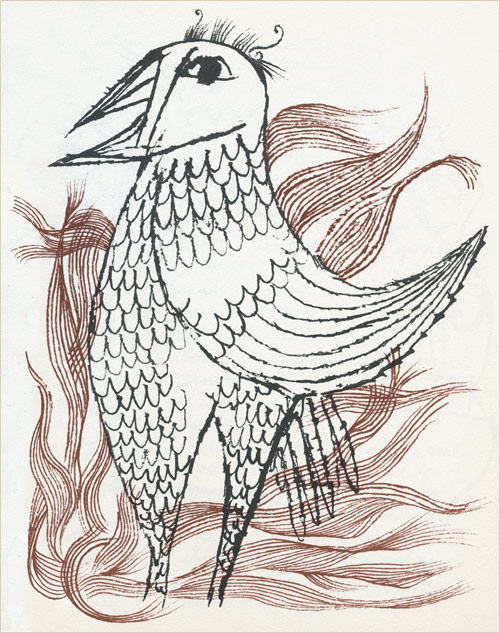
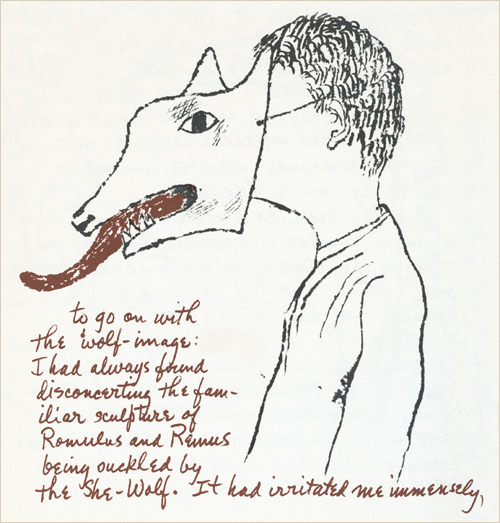
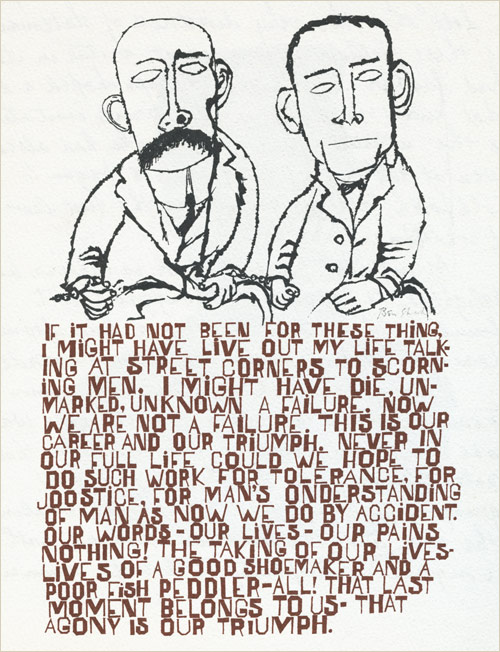
What follows is a fascinating, far reaching, and often touching examination (all printed in a handwritten style, whether authentic or simply a device I’m not sure) which as it so happens is copiously illustrated with Shahn’s own print-work as well as some reproductions of his paintings.
The truth is, with a few exceptions, that before picking up this book I was not very familiar with Shahn’s work (nor his artistic philosophies) but I truly enjoyed it, his print-work especially, and under the assumption that there are others of you unfamiliar I’d like to share a cross section of pieces I particularly liked.
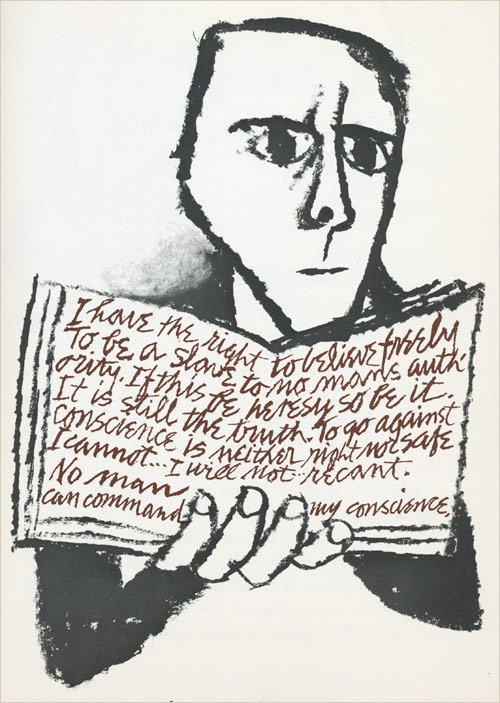

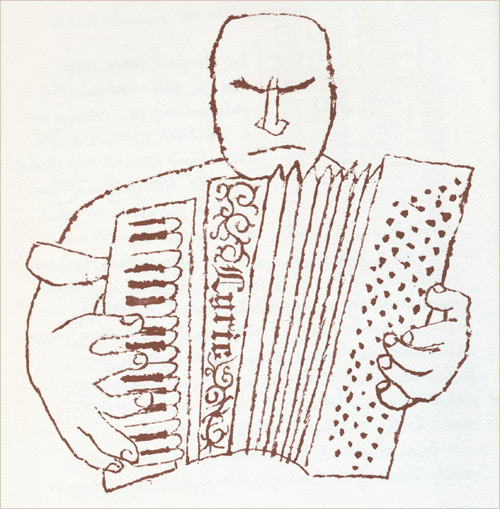
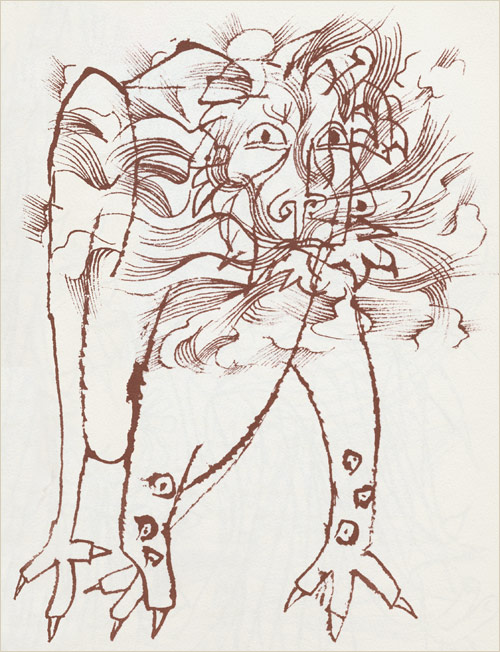
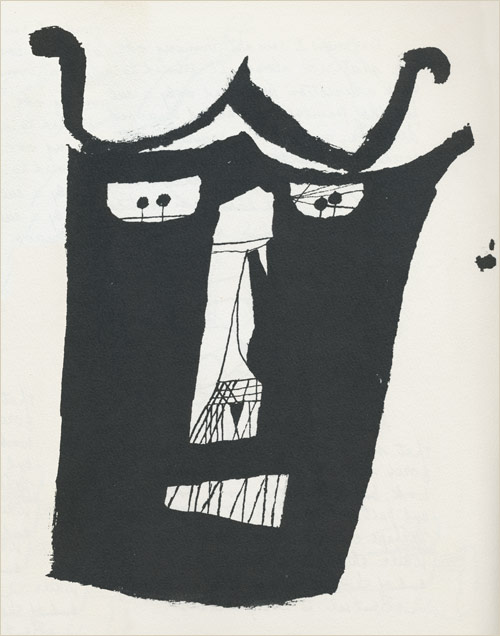
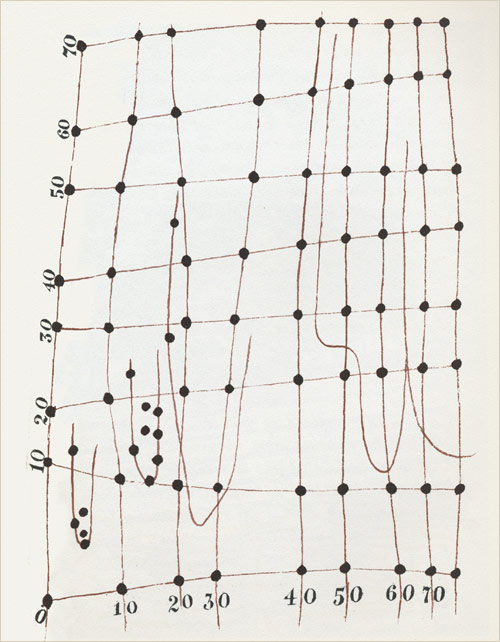
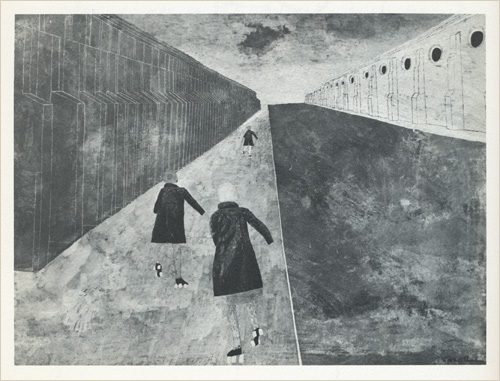
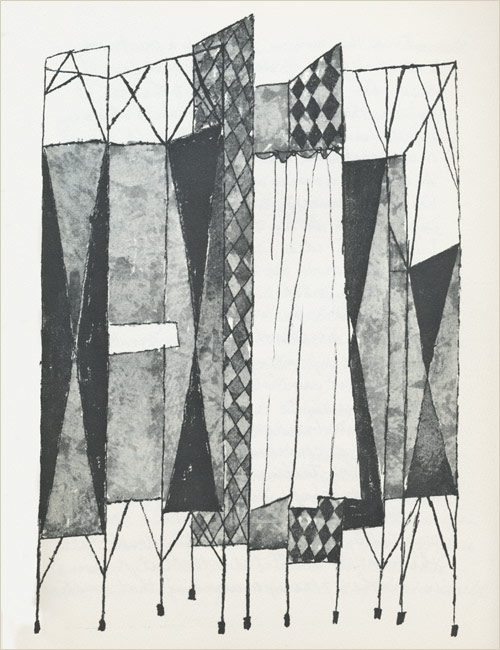
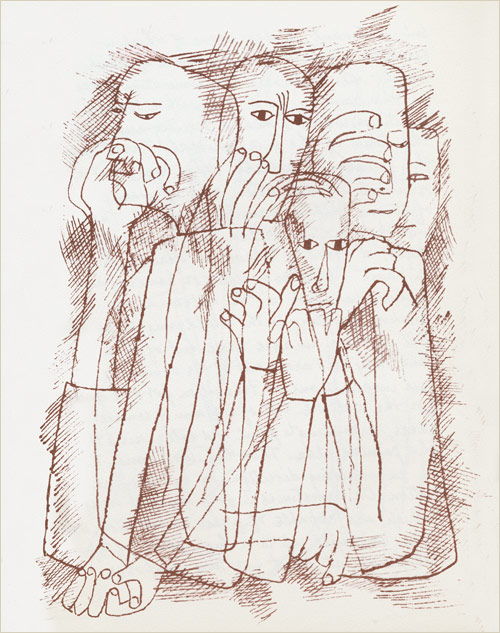
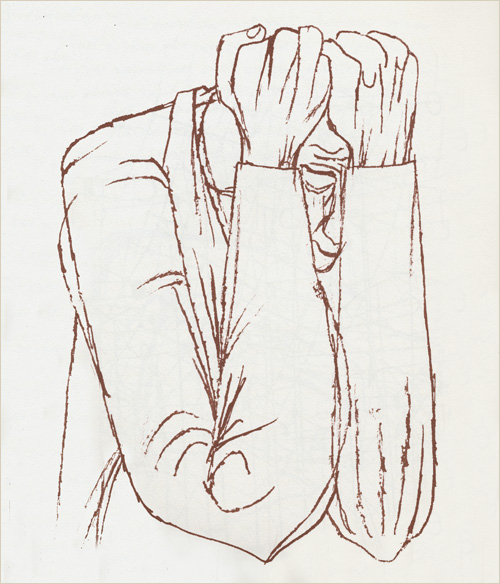
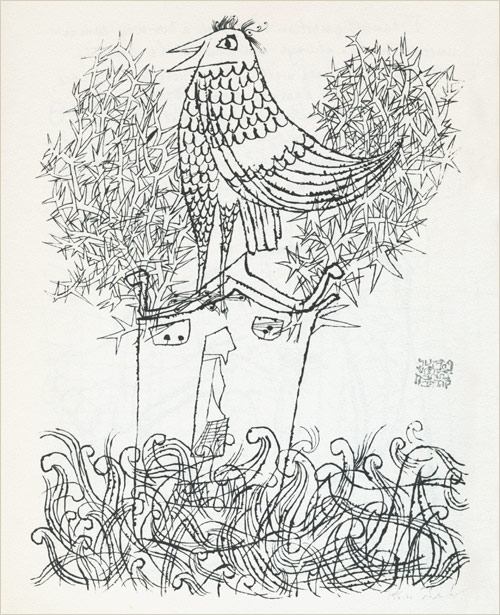
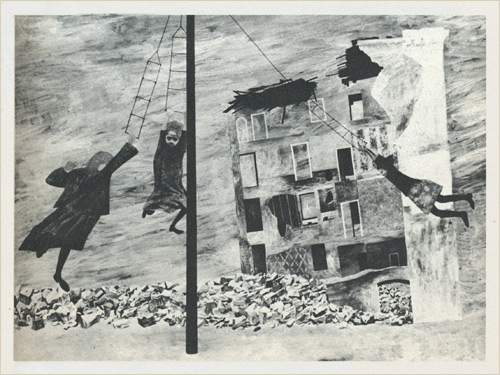
Well there you have it. Hope You enjoyed.
For more on Shahn try the following:
Interview with Ben Shahn from the Smithsonian’s oral histories.
Ben Shahn. Passion for justice presented by PBS.
Common Man, Mythic Vision: The Paintings of Ben Shahn.
Ben Shahn’s art and His Mission From George Kresky Gallery.
On Ben Shahn’s Roosevelt Mural.
Andy Warhol’s Red Beard - influence of Ben Shahn and Shirley Temple on Warhol.



