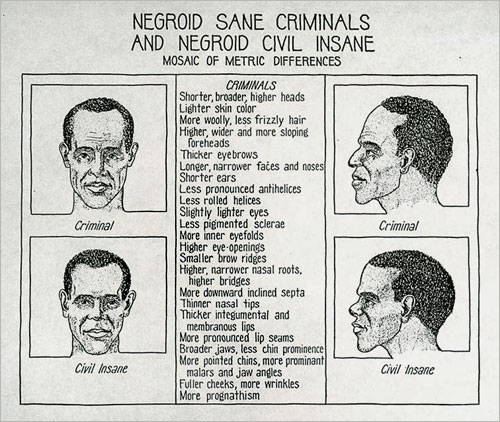
Eugenics- It’s too broad and prickly a subject to tackle in any meaningful way in the short strokes of a blog post frankly. Debatable issues, movements, historical consequences, ethical quandaries, scientific disciplines, philosophical attitudes all stem from or tangle with it like branches of a gnarled millennia old tree. One thing I can say for certain is that as with all Ideologies seeking to convert themselves into some dispassionate, quantifiable (and hence reputable) Science, Eugenics relied heavily on statistics. It follows that, as with all such endeavors, one of the chief concerns was how best to present said statistics in an affecting way. The Eugenics movement, being focussed as it was on issues of race, class, breeding, and illness (all sources of viscerally opinionated reaction in the annals of human discourse) was able to produce some doozies.





Boom Computing
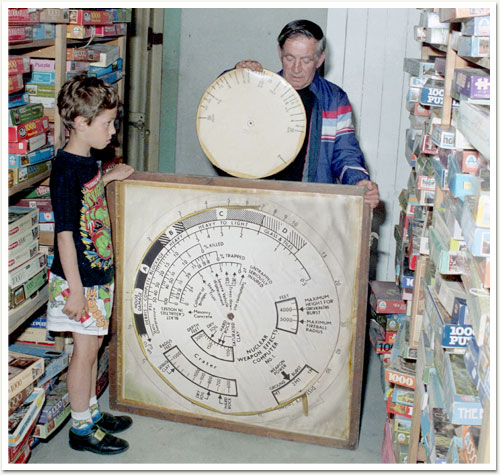
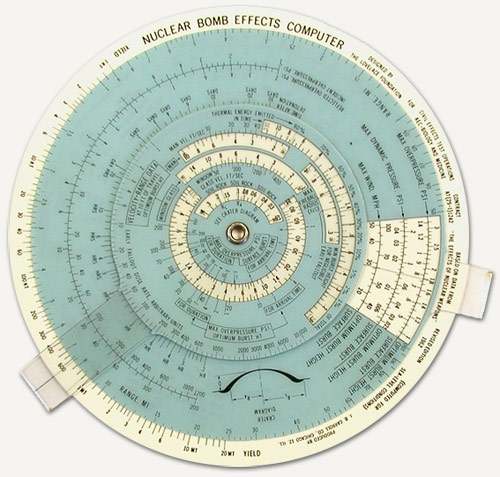
He kept his homemade, oversized, “nuclear weapon effects computer” in a room packed floor to ceiling with puzzles.⊕ To me, smugly distanced from the fearful zeitgeist of the atomic age (and its pragmatic preparations) this choice seems perfectly fitting. I can think of none better in fact. Circular slide rules manufactured to calculate the various effects and time lengths of a post nuclear landscape were once fairly common items. If you handed me one today and expected an important calculation in return you might as well hand me a icosahedron-shaped rubik’s and expect in return a nice slice of strawberry pie.


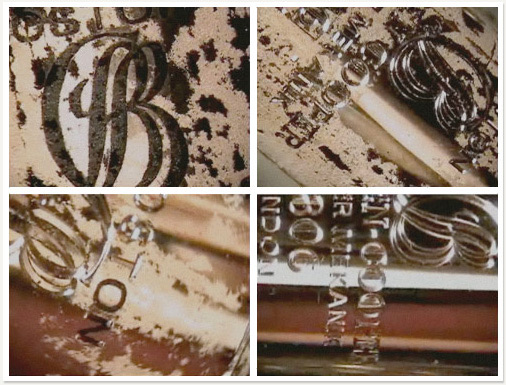
Zengraving
Came across this hypnotic video of master hand engraver Steve Lindsay completing an engraving from start to finish. It’s pretty amazing. As a designer (with the prerequisite appreciation of typography) watching someone carve perfect, beautiful letter forms from metal, and so handily, is both humbling and fun. As a (lapsed) painter I can certainly appreciate the brute hand-skill involved. Beyond that there is a definite Zen quality inherent, I’d say, to any work which denies the luxury of an eraser or undo button. Pour yourself a glass of something (the vid is accompanied by an urbane soundtrack of classical and jazz) and enjoy.
For more videos, images, and information on hand engraving see the following:
Engraving School.com, Lindsay Engraving.com, and Master Engraver.com.
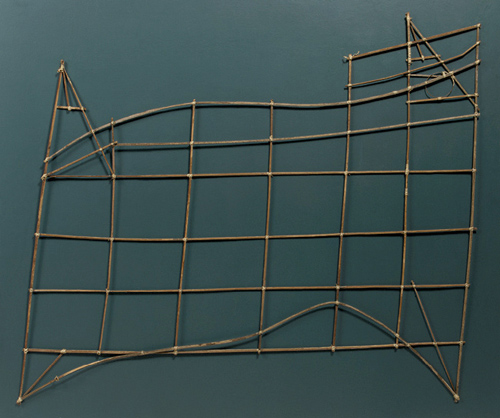
Polynesian Stick Charts
The Polynesians, scattered as they were over 1,000 islands across the central and southern Pacific Ocean, were master navigators who tracked their way over a huge expanses of ocean without any of the complex mechanical aids we associate with sea fairing. They didn’t have the astrolabe or the sextant, the compass or the chronometer. They did however have aids of a sort, which though seemingly humble, were in fact the repositories of an extremely complex kind of knowledge. Called Rebbelibs, Medos. and Mattangs, today we call them simply “Stick Charts.”
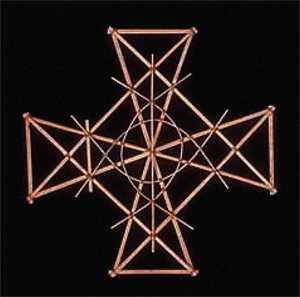
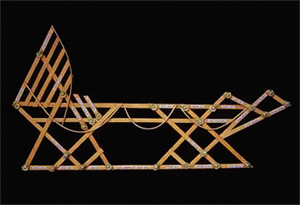

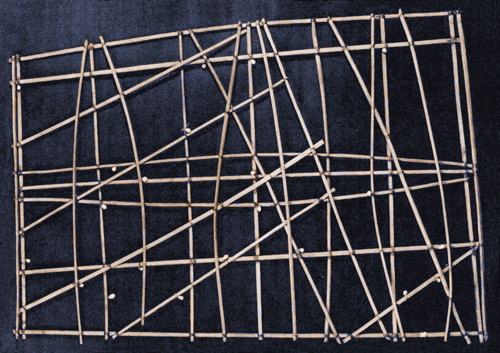
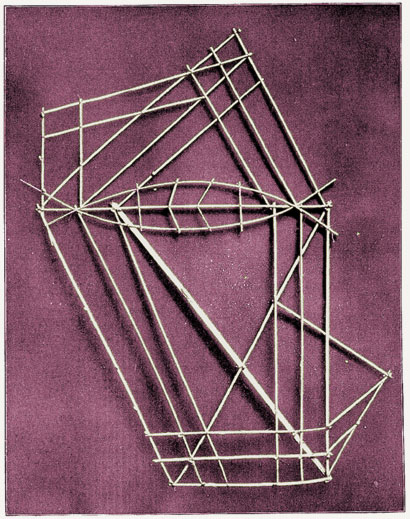
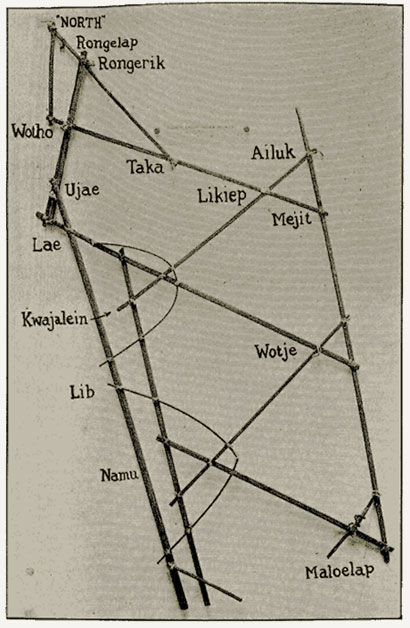
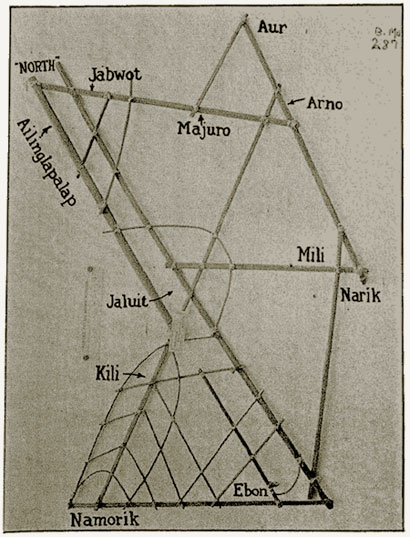
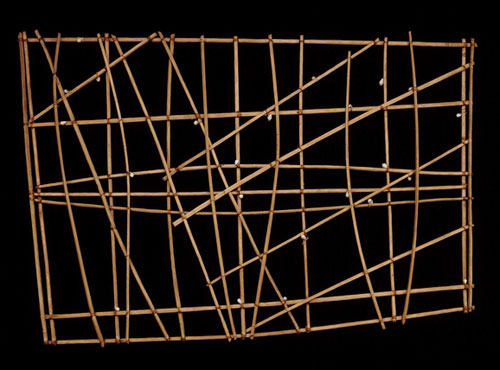
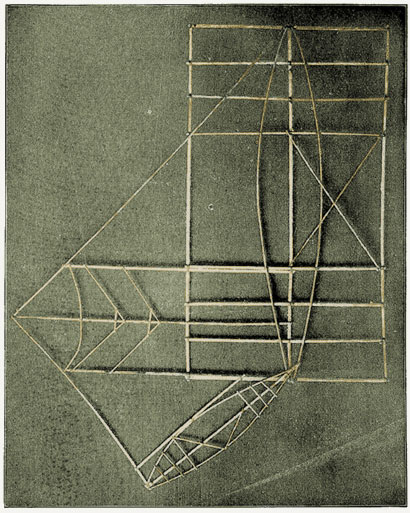
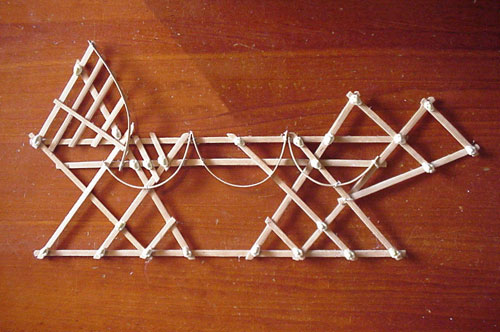


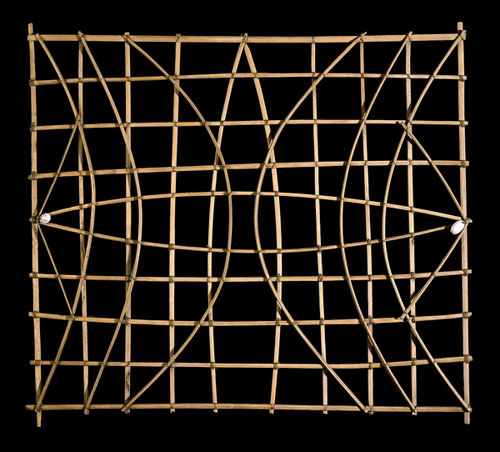

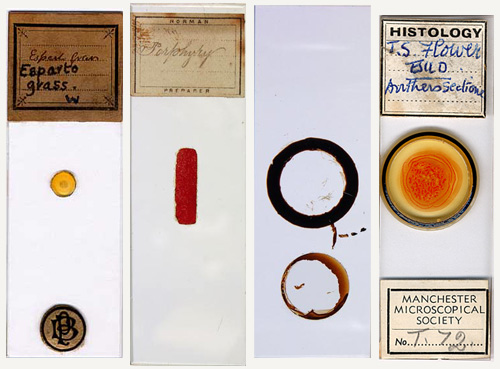
Beautiful Specimens
Wikipedia tells us: “A microscope slide was originally a ‘slider’ made of ivory or bone, containing specimens held between disks of transparent mica. These were popular in Victorian England until the Royal Microscopical Society introduced the standardized microscope slide in the form of a thin sheet of glass used to hold objects for examination under a microscope.”
I’d like to add the following: Antique microscope slides, looked at from a strictly aesthetic standpoint (egged on by a design obsessed brain obviously) are some of the most elegant and perfectly beautiful human artifacts on planet earth. You can quote me on that. See below for irrefutable
aesthetic evidence.




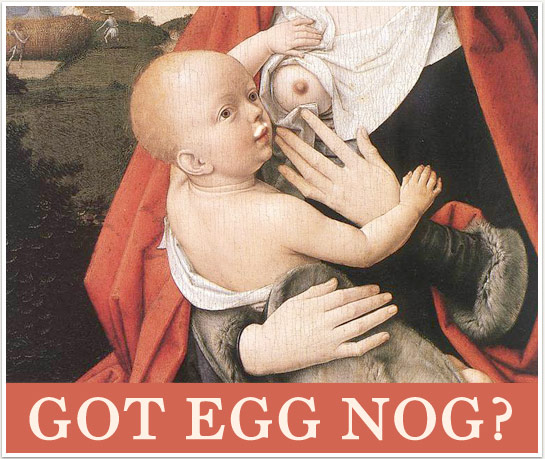
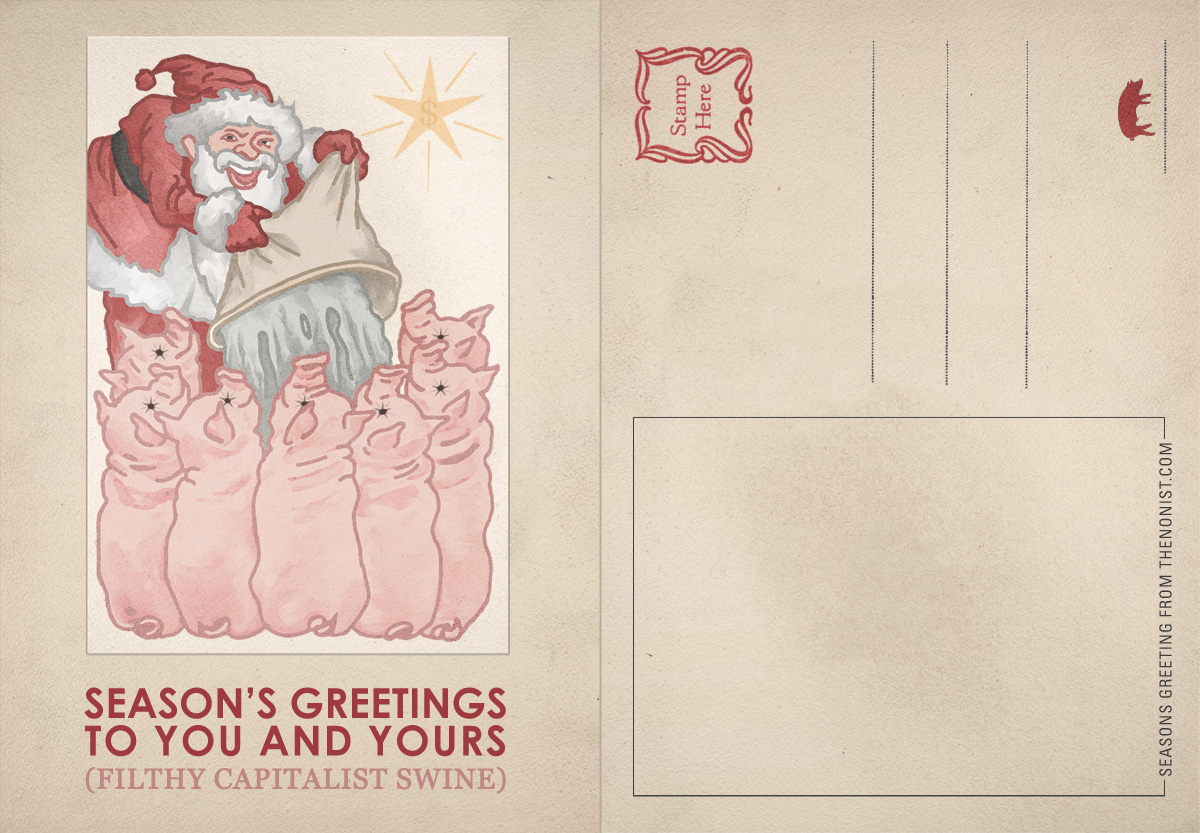
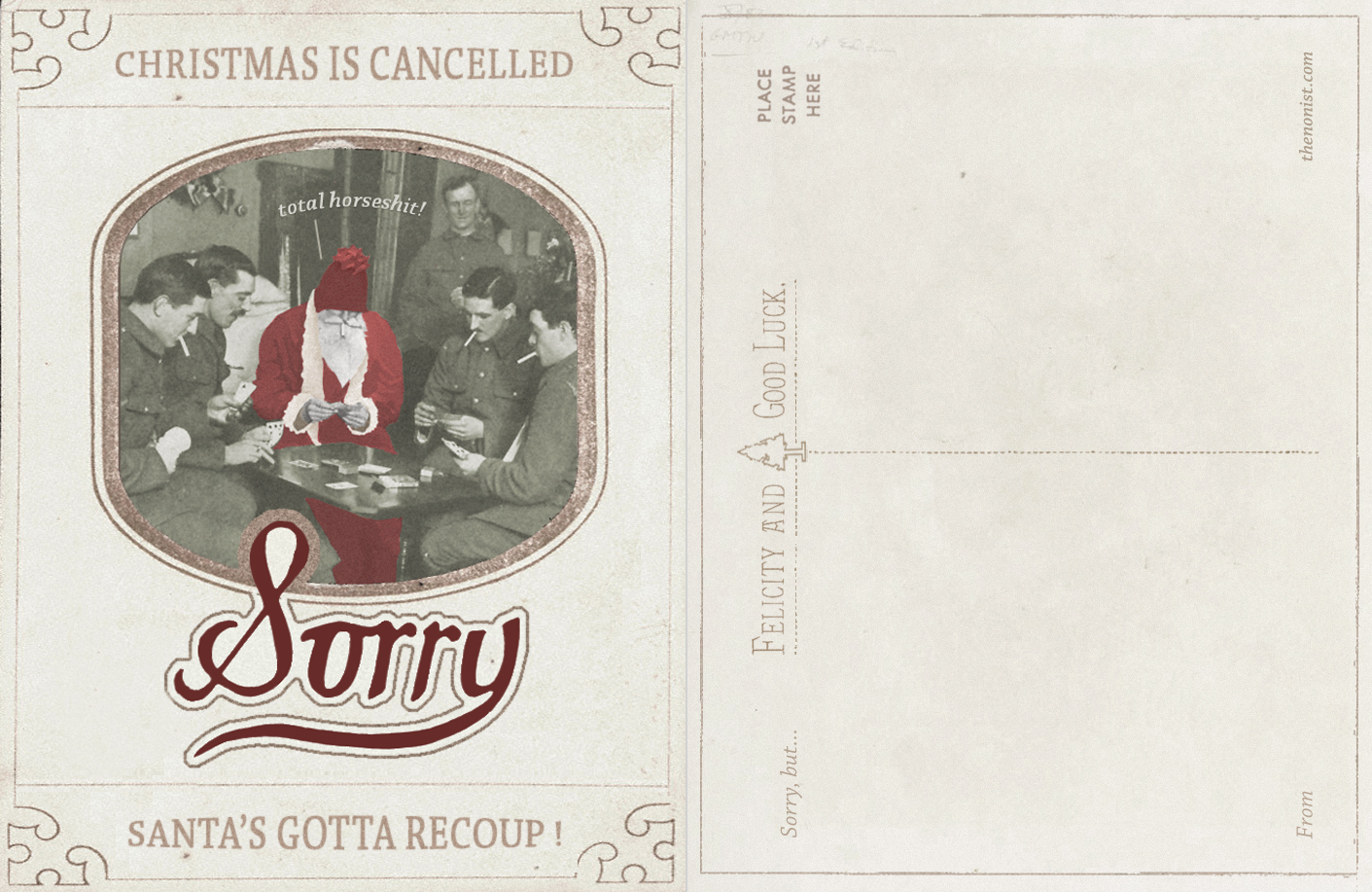
My oh my. It’s that time already? Seems like it was just yesterday we were trampling old women and clothselining one another for some electronic gizmo. And yet here we are! Christmas time again! Well last year, to do my part in spreading the holiday cheer, I whipped up a few holiday cards for your viewing, emailing, printing, and/or mailing pleasure. I’ve decided to continue that tradition and create a new batch for this, Xmas 2006. I only managed to make 4 this year, but added to last year’s 6 that makes a solid ten. See below for the whole collection, and a very merry to you and yours.





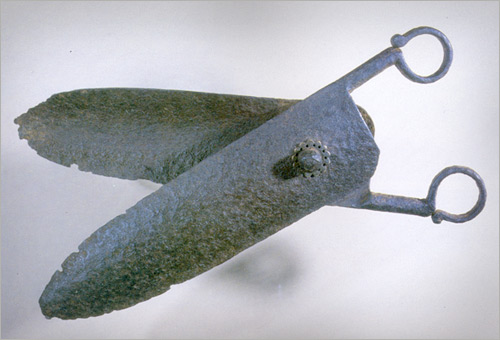
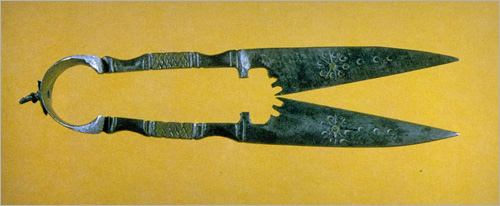
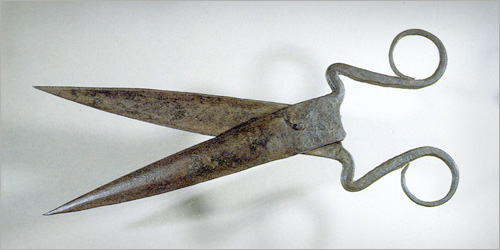
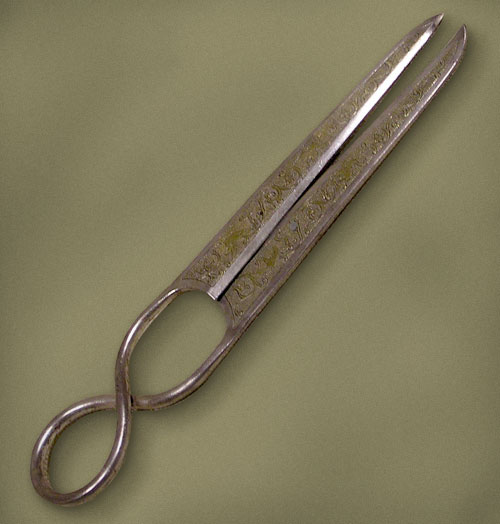
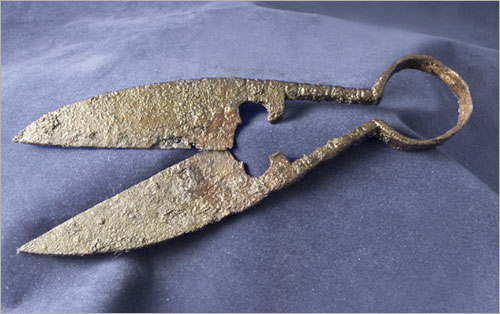
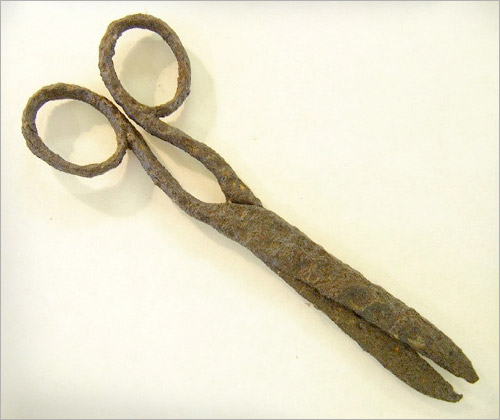
Some bits from the history of scissors
Quote, “The obvious is so commonplace that when waved in front of our noses we often don’t give it a moment’s thought or even realize it’s there. We take certain objects so for granted that we probably never stop to ask ourselves how they first figured in the life of man. This is the case with scissors: do they date back one century, two centuries or twenty? Our stainless steel kitchen scissors were probably bought from a market stall around the corner, but when did the first scissors come into the world? Attempting to track down the name of a crackpot inventor would certainly be of no avail; as in many similar cases, scissors were not invented in a flash of creative genius, but rather evolved, step by step, alongside many other tools destined to cut, separate and pierce, undergoing modifications of design, material and decoration from the first, primitive examples — or at least from the first examples revealed by archeology and literature — to the scissors of today.” - From Scissors by Massimiliano Mandel.




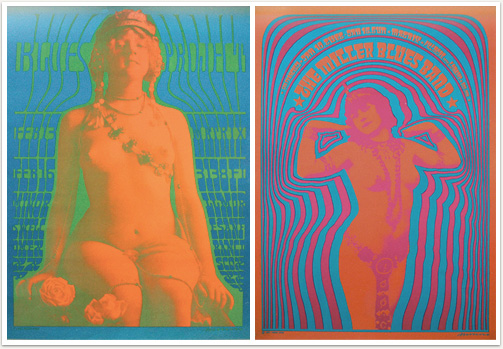
Chances are when you conjure in your mind’s eye an image of a “psychedelic” 60’s rock poster (whether for fun or because you’re an ex-hippie flashing back involuntarily to your blocked-out youth from within the soft leather comfort of your Mercedes) you are likely, without even realizing it, envisioning a Victor Moscoso. It’s been said that Moscoso “was the first of the rock poster artists with academic training and experience.” He studied at the Cooper Union and at Yale (under Josef Albers) and it shows. Moscoso’s own style is, at this late date, damn near synonymous with the form in the same way that you think “band-aid” when you envision of a little adhesive-backed bandage. Likewise though Robert Crumb went on to be the most famous underground artist of the era I guarantee when you think of Zap Comix you think of Moscoso’s dancing mr. peanut / mr. penis cover. I don’t think it’s overstating it to say Moscoso’s style was aped and absorbed by the culture to a such degree that it just seems to be a force of history in retrospect rather than the inspired work of a really talented designer.
To see and read more try: Fine Arts Museum SF, the Neon Rose series & Victor Moscoso at Wolfgang’s Vault, the Victor Moscoso poster gallery, more Neon Rose, the music machine, an interview at the Comic’s Journal, Liberatore: A portrait of the artist as a counterculture connoisseur, and 1960s Psychedelic Rock Concert Posters and the Broadening of American Spirituality.
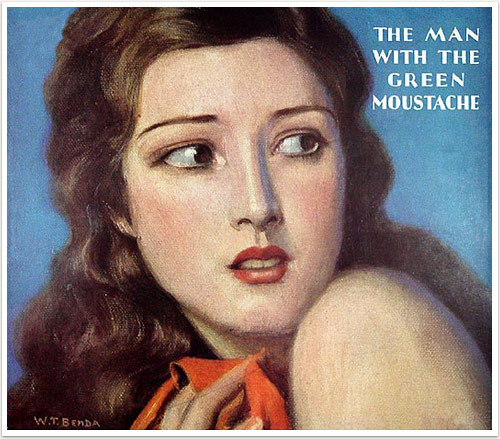
Yes ladies, by all means, draw your shawl near to yourself and beware The Man With the Green Moustache! There is no telling where it, or he, has been! This image was taken from an extensive and beautiful collection of magazine covers stretching, mainly, from the 1890’s through the 1940’s. (Via / If you scroll down you’ll see the full menu.) It is presented by a site dedicated to Ellis Parker Butler, with each of the magazine covers representing an issue which contained his work. Unfortunately the story of the dreaded “green moustache” was penned by someone else, so we’ll most likely never know its wonders. The site offers a few Ellis-penned surrogates though in the form of some similarly mysterious sounding men like- The Man Who Did Not Go to Heaven on Tuesday, The Man Who Murdered a Fairy, The Man Who Was Someone Else, and The Man With the Glass Front in their reading room.

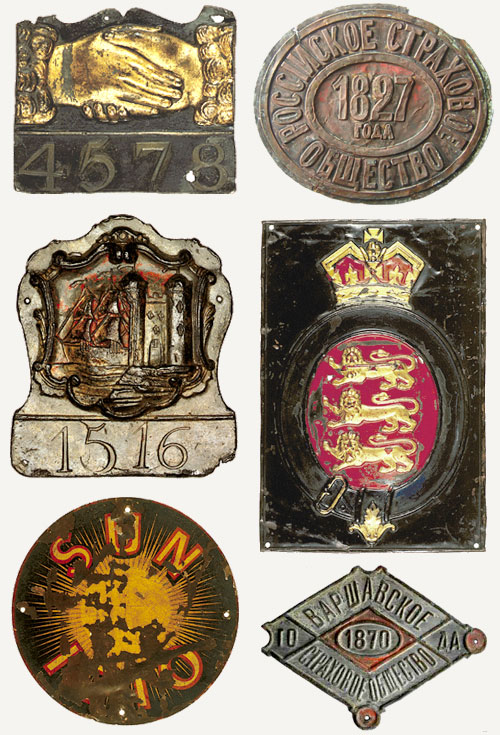
Prior to the 17th Century there wasn’t much in the way of organized fire control in Europe. Neighborhood night watches were organized by the residents of an area and they would essentially stay awake and keep an eye out for leaping flames. In the late 17th century this was to change, after The Great Fire of London in 1666 wiped out tens of thousands of homes, the first fire engines (hand pumps) appeared, and by the beginning of the 18th Century fire brigades, in the modern sense, were being created…